EVER HEARD OF 8801? DESIGNING A CICADA-INSPIRED ARG
I have always been deeply fascinated by mystery puzzles, alternate reality games (ARGs), and internet riddles like Cicada 3301. To test the technical curiosity and problem-solving skill of my college peers, I decided to design my own multi-stage puzzle called 8801.
The goal was simple: create an intricate sequence of hidden clues spanning steganography, custom web endpoints, audio spectrograms, and cipher grids—requiring solvers to think beyond surface-level code.
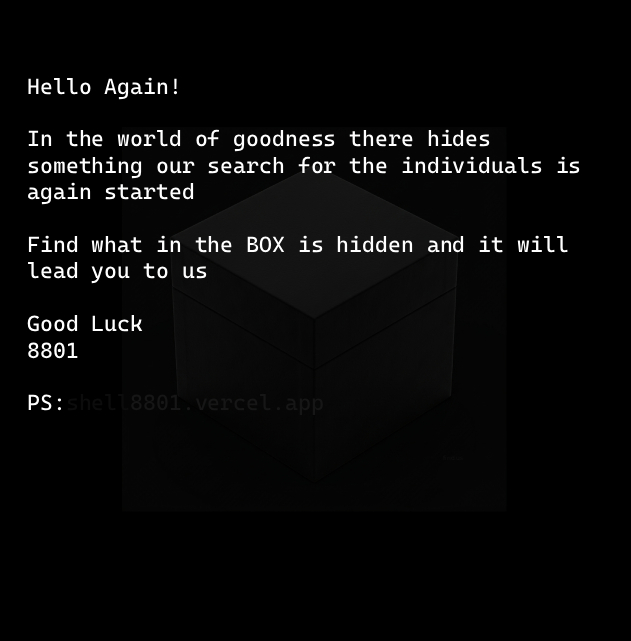
[ FIG 1.0: THE INITIAL INVITATION CARD FOR 8801 ]
[1] THE INITIAL HOOK & HIDDEN ENDPOINTS
Every good ARG starts with an ambiguous initial prompt. I crafted an initial image card featuring cryptic text:
"Hello Again! In the world of goodness there hides something... Find what in the BOX is hidden and it will lead you to us. Good Luck 8801"Hidden directly within the image file's EXIF data and metadata was a sub-prompt pointing to a hidden deployment URL (`8801.vercel.app`). Solvers who inspected the element or extracted the raw data unlocked the first pathway into the puzzle network.
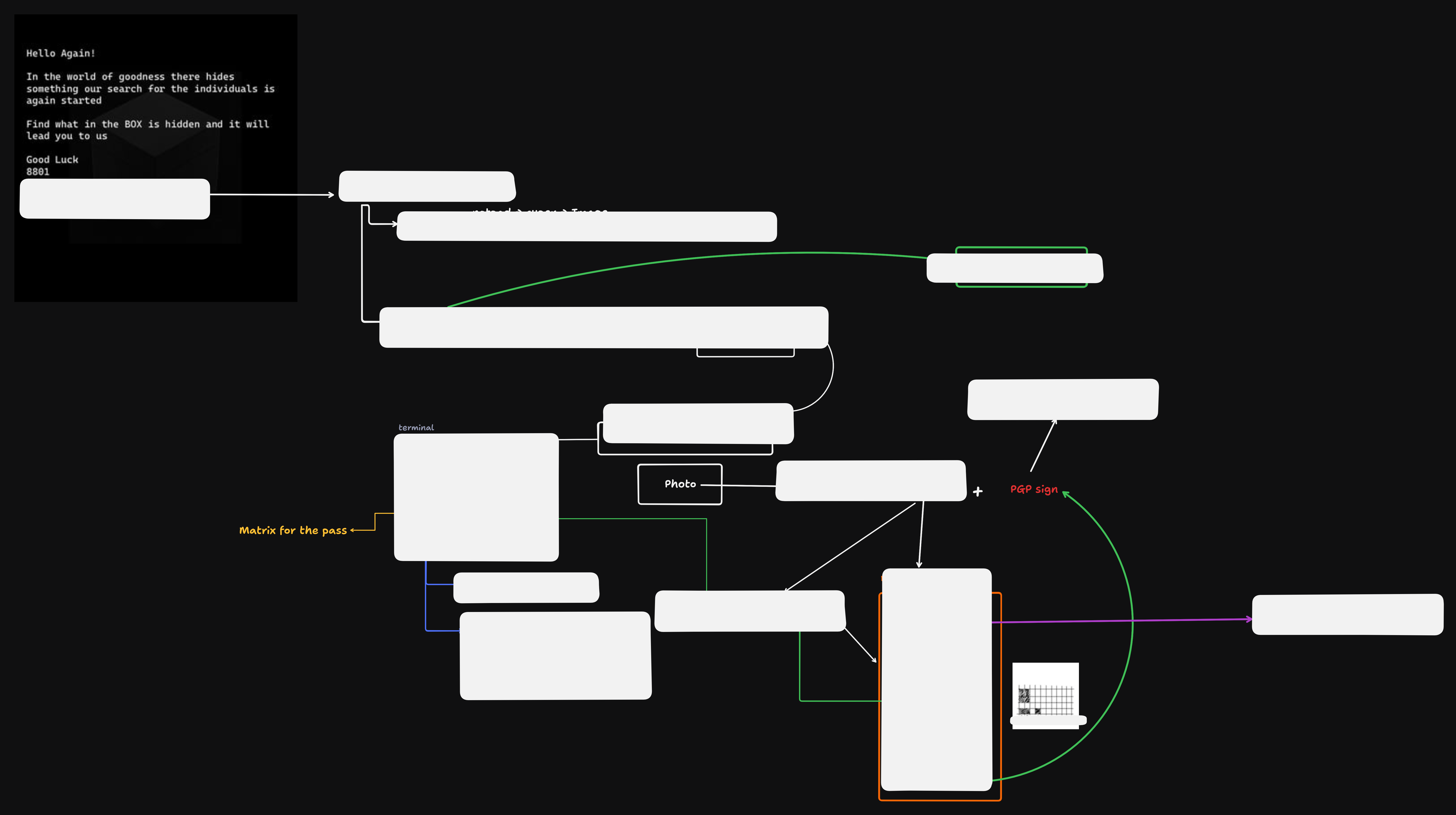
[ FIG 2.0: ARCHITECTURAL FLOWCHART OF THE 8801 PUZZLE STAGES ]
[2] AUDIO SPECTROGRAMS & FREQUENCY HIDING
One of the most exciting stages of the 8801 puzzle involved embedding visual data directly into sound frequencies:
- AUDIO STEGANOGRAPHY: Solvers were given an audio file that sounded like distorted ambient static or white noise.
- SPECTROGRAM ANALYSIS: Opening the file inside an audio tool like Sonic Visualiser or Audacity and switching to a full spectrogram view revealed a hidden visual code drawn into the high-frequency spectrum.
[3] MATRIX GRIDS, CIPHERS & THE FINAL KEY
After extracting the audio key, solvers were navigated to a final matrix grid challenge. This grid required deciphering binary coordinate patterns to form the signature "8801" glyph layout.
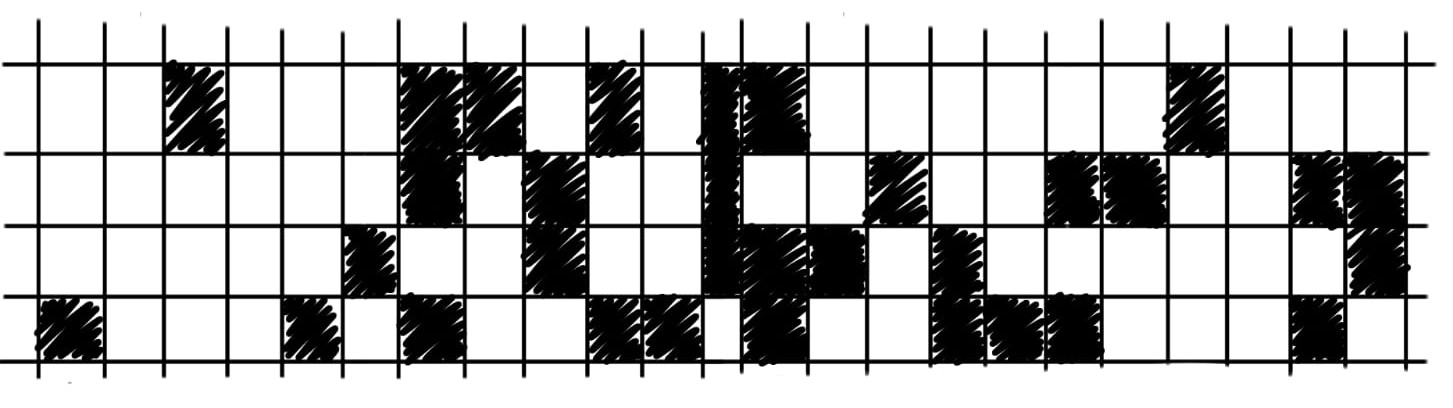
[ FIG 3.0: THE 8801 MATRIX GRID CIPHER ]
Building 8801 was a fantastic exercise in combining web hosting, audio manipulation, and cryptographic puzzles into a seamless narrative experience. Watching students collaborate and decipher each layer proved how engaging well-crafted technical puzzles can be.